»¡España!«
 January 2027
»¡España!«
 Concerts
 Oper Graz - Hauptbühne



Information
More details
Maurice Ravel
, “Alborada del gracioso” from *Miroirs*
Manuel de Falla
Seven Popular Spanish Songs
Enrique Granados, “
” No. 5, “Andaluza,” from *12 danzas españolas*, Op . 37…
Joaquín Turina
The Procession of El Rocío, Op . 9
Claude Debussy
, “Ibéria,” No. 1: “Par les rues et par les chemins,” from *Images pour orchestre*
Georges Bizet
, Interlude III from *Carmen*
Josep Ribas
, “Rosó,” from *Pel teu amor*
Ruperto Chapí y Lorente
“Carceleras” from *Las hijas del Zebedeo*
Manuel de Falla, *
* No. 7, *Danza final (Jota)* from *El sombrero de tres picos*
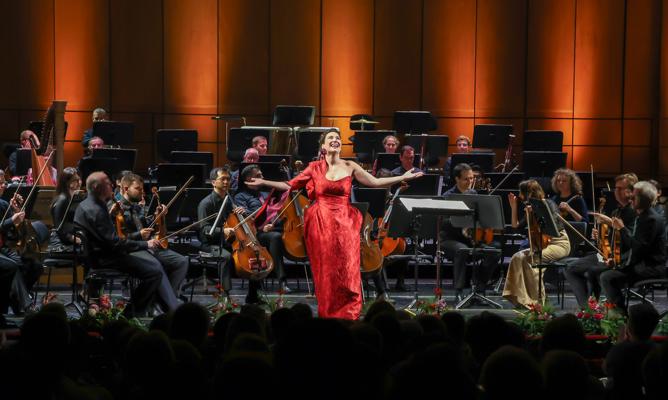
Between passion and melancholy—that is how one might describe the essence of Spanish music. We may well experience a similarly wide range of emotions as the year comes to a close: energy for what lies ahead and regret for the time that has irrevocably passed. With works by Spanish composers such as Manuel de Falla, Enrique Granados, and Joaquín Turina, the Graz Philharmonic and ensemble member Anna Brull, under the baton of principal conductor Vassilis Christopoulos, guide us through a spirited New Year’s program. Spanish rhythms and melodies found their way into 19th-century French music, particularly through dance elements such as flamenco, pasodoble, and jota. Between the 1870s and World War I, there was a veritable craze for Spain in France, which inspired composers such as Emmanuel Chabrier, Claude Debussy, and Maurice Ravel to create works with thematic and musical references to their neighboring country.